If you own a luxury condo in Sunny Isles, you know two units in the same tower can sell very differently. A small change in line orientation, a slightly better view corridor, or a unique amenity can shift buyer demand and price. You want to list with confidence and avoid leaving money on the table. In this guide, you will learn how to price using same-stack comps, verified view and line adjustments, and amenity-driven positioning so you can launch strong and negotiate well. Let’s dive in.
What drives value in Sunny Isles towers
Line orientation
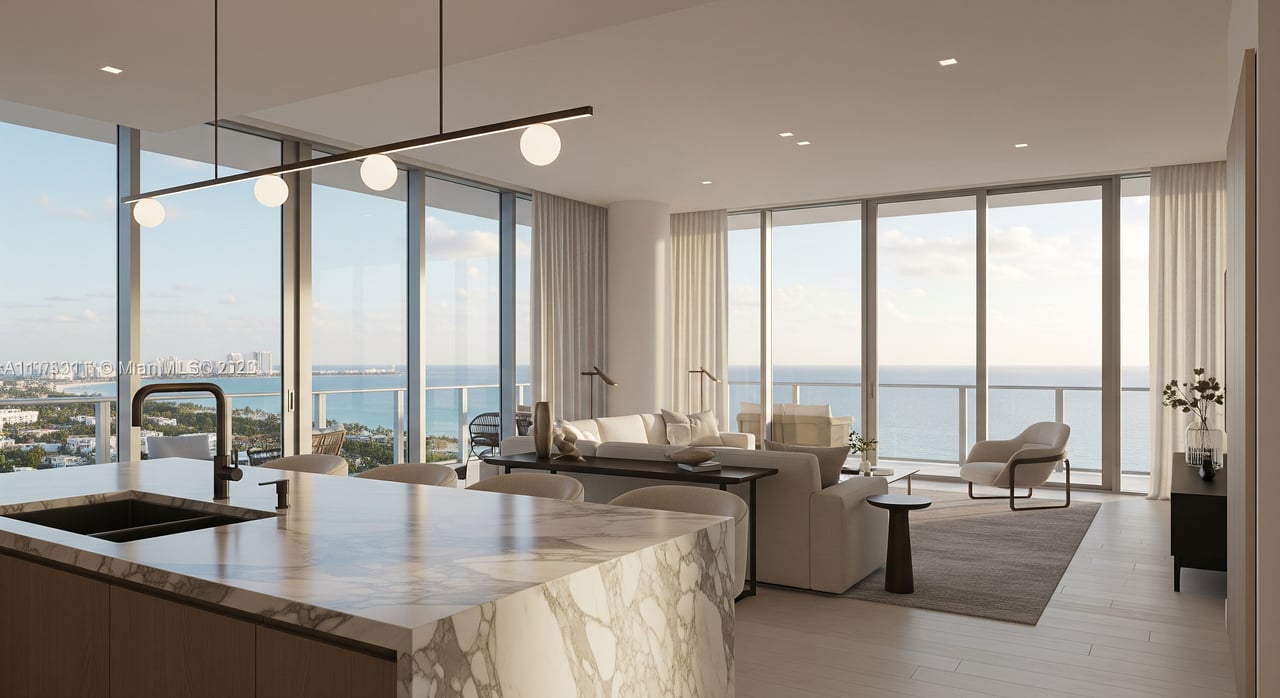
Line orientation is the direction your main rooms and terrace face. In Sunny Isles, ocean-facing lines typically draw the most demand because buyers value direct Atlantic exposure. Corner lines that frame both ocean and city or intracoastal views can command stronger interest. West-facing lines may attract buyers who prefer skyline and night views, though heat and afternoon sun can affect perception and balcony use.
When you compare comps, separate ocean-facing lines from non-ocean-facing lines inside the same building. In older towers where glazing and column lines vary by stack, sightlines and glass area can matter as much as the compass direction.
View corridors
Your view corridor is the exact visual plane from the unit, such as open ocean, intracoastal, bay, skyline, or partial mid-block. Unobstructed ocean horizon is usually the strongest premium, followed by intracoastal or bay views, especially when paired with access to the water or a marina scene. The key risk is potential view blockage. If a neighboring parcel is likely to be redeveloped, buyers may discount future view loss.
Assess whether your view is permanent or at risk. Review building plans and nearby parcel activity through the city and local news. Following local development coverage in sources like The Real Deal’s Miami reporting and the Miami Herald’s real estate coverage can help you identify projects that might affect view corridors.
Recent trades by stack
Same-stack sales are the most predictive comps in high-rise pricing because the footprint, structure, and common elements match closely. Appraisers and seasoned brokers prioritize this approach, which aligns with Appraisal Institute guidance on comparable selection.
Track closed sales in your exact line over the last 6 to 24 months, then evaluate per-floor premiums and any adjustments for condition, terrace changes, parking and storage, or time. If your stack has few recent trades, expand to identical floorplates and orientations in the same building or nearby towers as a secondary check.
Amenity set
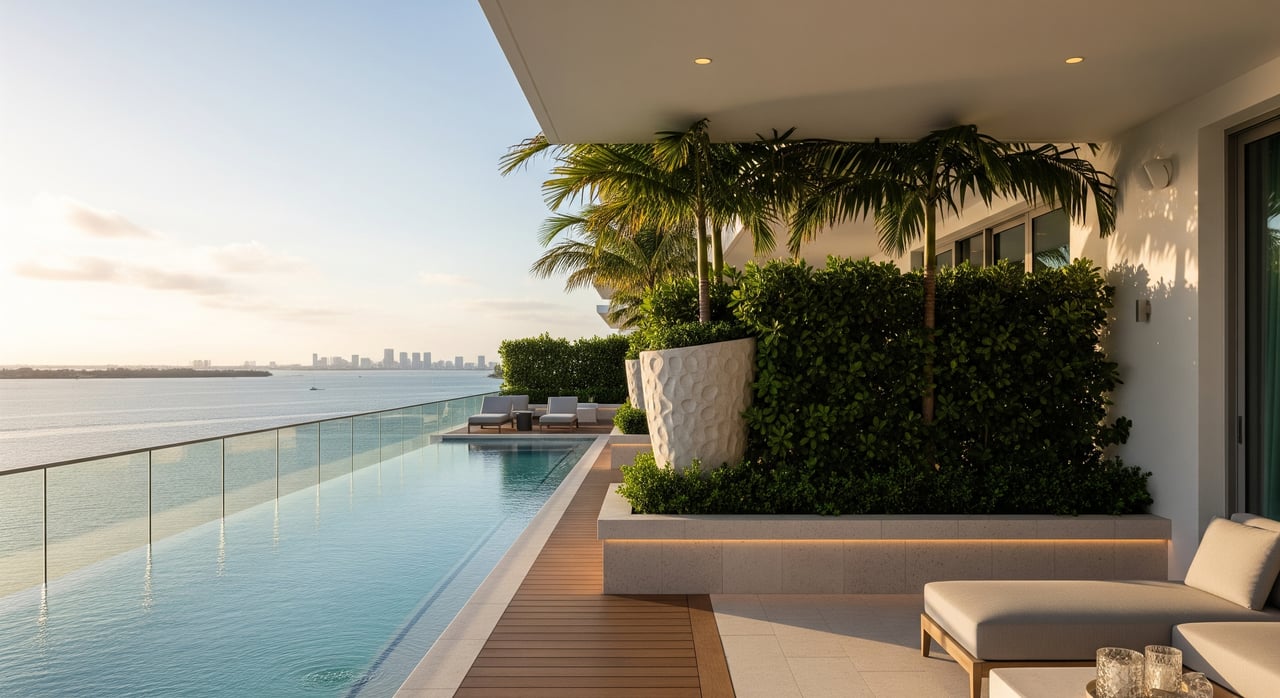
In luxury towers, service and amenities are central to value. Private elevator foyers, hotel-style services, 24-hour staffing, spa and fitness, beach club access, tennis, private dining rooms, and deeded parking or storage all influence pricing. Unique amenities like private plunge pools, private pools on penthouses, or direct beachfront can create large stack-to-stack differences inside one building.
Higher amenity levels often come with higher HOA fees. Present your list price alongside the carrying cost so buyers can compare value on a net monthly basis.
Other critical factors
- Floor level. Higher floors tend to command premiums for view and reduced street noise. Very low floors may require a discount.
- Renovation and condition. High-end, recent renovations can support premium pricing. Outdated finishes typically reduce the competitive ask.
- HOA fees and assessments. Higher monthly fees and special assessments impact affordability and investor returns, which can soften demand.
- Rental policy. Flexible rental rules can broaden the buyer pool and investor interest. Restrictive policies can narrow it.
- Parking and storage. Deeded, covered spaces and secure storage are valuable in luxury towers.
Build a data-forward price in 5 steps
Step A: Collect near-perfect comps
Start inside your building and your stack. Focus on closed sales first, not asking prices. Then widen to identical or highly similar floorplates in nearby Sunny Isles towers for cross-checks.
Data to gather for each comp:
- Sale date, sale price, price per square foot, and square footage method
- Floor, stack or line, and orientation
- Terrace size and any enclosure or modification
- Parking and storage assignments
- HOA fee amount, assessments, and access to specific amenities
- New construction vs resale status
- Time on market and list price history
- Renovations or condition level
- Any atypical sale conditions
To verify basics like legal unit description, square footage, and ownership history, use the Miami-Dade Property Appraiser. For market-wide trend context, review monthly and quarterly indicators from Miami Realtors market reports.
Step B: Normalize the comps
Adjust the data so you compare apples to apples:
- Time adjustment. If the market moved, apply a conservative time factor based on local monthly or quarterly indicators from sources like Miami Realtors. Present scenarios with no adjustment and with a modest adjustment.
- Floor adjustment. If your stack shows a clear per-floor gradient, calculate and apply that premium or discount.
- Condition adjustment. Use dollar adjustments for significant renovations based on renovated vs unrenovated pairs.
- Orientation and view. Separate ocean-facing from non-ocean-facing comps. If needed, compute baseline price per square foot by orientation, then adjust.
- Amenity and HOA impact. Compare net carrying costs, including HOA and taxes, to align with buyer affordability and investor underwriting.
Step C: Create per-stack pricing bands
Use your normalized data to set a range rather than one number. Build three tiers:
- Aggressive, list-to-market price. Slightly below recent same-stack sales to maximize early traffic.
- Market price. The midpoint of your adjusted same-stack valuation.
- Premium price. Above the recent pack, justified by superior condition or scarce features, such as a private elevator foyer, private pool, or unique terrace.
Document your assumptions and show how price shifts if the market changes a few percentage points.
Step D: Align price with strategy
In the luxury segment, buyers often offer below ask. Set a number that is competitive yet leaves room to negotiate without eroding perceived value. Consider a staged reduction plan tied to days on market and showing feedback. Decide whether to showcase stack-level comps in marketing, which can justify your price but might also anchor offers.
Step E: Validate before you launch
Cross-check your ask against:
- HOA affordability for likely buyer profiles
- Days-on-market norms for Sunny Isles luxury listings from the MLS
- Similar units under contract
- Appraisal support, especially if you expect financed offers
For additional context on luxury trends and inventory, review industry reports and methodology references, such as Appraisal Institute resources and regional indicators from Miami Realtors.
Local insights and pitfalls to avoid
- Development risk. Parcels along Collins Avenue continue to evolve. Track neighboring permits and plans to understand view risk. Local coverage from The Real Deal and the Miami Herald can surface projects early.
- International demand. Sunny Isles attracts a mix of international, second-home, and investor buyers. Currency shifts, travel patterns, and financing availability can affect absorption, so watch trend indicators and showing activity.
- Building governance. Two similar towers can trade very differently if reserves, insurance, or management quality diverge. Review condo minutes and reserve studies before final pricing.
- Insurance and storm risk. For oceanfront assets, changes in insurance premiums impact monthly costs. Present the most recent figures and explain any updates to buyers.
Common mistakes to sidestep:
- Relying on neighborhood averages without isolating orientation and stack, which leads to mispricing.
- Ignoring HOA and assessments in the value narrative.
- Overlooking unique private amenities that deserve a premium.
- Using only active listings, not closed sales, as pricing anchors.
Negotiation levers that work in luxury
- Convey separable value. Deeded parking and storage, private elevator entries, and club or spa memberships can be packaged to sweeten a deal.
- Offer flexible timelines. International buyers may need longer escrow or closing windows.
- Price with intent. Launch at a number that attracts qualified showings in week one, then manage feedback and reductions with a written schedule.
- Pre-market your next move. If you are upgrading, time your list and purchase so you avoid unnecessary vacancy.
What to include in your pricing package
Create a professional bundle before you go live. It increases buyer confidence and supports your ask.
- Same-stack comp spreadsheet with adjustments and notes
- Orientation and view corridor map that shows neighboring towers and potential development sites
- Amenity comparison summary with HOA fee context
- HOA budget, reserve information, and special assessment summary
- Short memo flagging appraisal-sensitive items like rental rules, unique features, and recent renovations
For reliable public records and market context, consult the Miami-Dade Property Appraiser and Miami Realtors’ market statistics. For development news that can affect value, track The Real Deal and the Miami Herald.
Ready to price with confidence?
You deserve a pricing strategy that is precise, transparent, and tailored to your exact stack and view. Our boutique, senior-led team blends developer-grade analytics with on-the-ground Sunny Isles expertise and bilingual service. If you want a data-backed ask, polished marketing, and Sotheby’s global reach, connect with Ivan Ramirez. Access Exclusive Listings.
FAQs
How should I choose comps for a Sunny Isles luxury condo?
- Start with closed sales in your same stack over the last 6 to 24 months, then cross-check identical floorplates and orientations in the building and nearby towers.
What if my stack has no recent closed sales?
- Expand to the same floorplate in adjacent towers and to same-orientation lines, then apply careful adjustments for floor level, condition, HOA, and time.
How do HOA fees and assessments influence pricing?
- Buyers evaluate total monthly cost, so present list price with HOA and any assessments to defend value and prevent surprises during negotiations.
Does a west-facing line hurt resale value in Sunny Isles?
- West-facing lines can sell well to buyers who prefer skyline and sunset views, but they may need pricing that reflects sun exposure and differing demand versus ocean-facing lines.
How do I evaluate view blockage risk before listing?
- Review neighboring permits and planning filings, then scan local development coverage from sources like The Real Deal and the Miami Herald to flag projects early.
Which reports should I review before setting my price?
- Verify unit specifics via the Miami-Dade Property Appraiser and check trend context with Miami Realtors market reports, then build your same-stack comp analysis.