Is the right Aventura condo all about the view, or the way the sun hits your balcony at 5 p.m.? If you are weighing a second home or seasonal getaway, exposure can shape your daily routine, cooling costs, and even how often you clean the windows. This guide breaks down how east, west, north, and south orientations affect sun, heat, views, boat traffic, privacy, and maintenance in Aventura. You will also get tools and a checklist you can use before you commit. Let’s dive in.
Aventura setting and seasons
Aventura sits along Biscayne Bay and the Intracoastal Waterway with the Atlantic just to the east, so buildings can face ocean horizons, active boating channels, sheltered canals, or the city skyline. Local planning and tower placement influence view corridors, so it helps to study the maps provided by the City of Aventura planning resources.
Seasonal rhythms matter here. Peak “season” typically runs November through April, when more residents are in town, tourism rises, and boat activity picks up. You can expect livelier weekends and holidays during the winter season in Florida. The climate is subtropical with warm, humid summers and mild winters, as shown in Miami climate normals, so solar control is a year-round topic.
Sun exposure by orientation
Your exposure determines when and how your home gets light, heat, and glare. At this latitude near 26 degrees north, the sun’s path changes with the season, so a winter morning and a summer evening can feel very different.
East-facing
East-facing homes shine in the morning. You can catch sunrise colors over the ocean or Intracoastal if the horizon is open, then enjoy cooler afternoons once the sun moves west. Expect more morning glare on glass and balconies, which is easy to manage with shades. If you like breakfast outdoors and a comfortable late day, this is a strong fit.
West-facing
West exposures bring late-day sun and standout sunsets. Afternoon and early evening can feel hot in late spring and summer, with stronger glare at sunset. You will likely lean on shading and high-performance glass to manage cooling loads. If you prioritize sunset views and evening light, a west-facing home can be worth the tradeoff.
South-facing
South-facing homes get long, steady daylight for much of the year. That brightness can be a plus, though you should plan for solar control to limit heat gain. The U.S. Department of Energy guidance on windows and shading recommends measures like low-e coatings, overhangs, or deeper balconies to keep interiors cooler. If you want consistent light, south can deliver with the right upgrades.
North-facing
North-facing homes receive the least direct sun and the most even, diffuse light. That means lower heat gain, less glare, and often the most comfortable daytime interiors year-round. You may trade off dramatic sunrise or sunset moments, depending on the site. If keeping spaces cool and calm is key, north is a smart bet.
Use sun-path tools before you buy
The exact sunrise and sunset angles shift between seasons. Use the NOAA Solar Calculator or the SunCalc sun path tool to see where the sun will be during your typical occupancy months and hours. This is especially helpful if you are a snowbird who uses the home more in winter.
Views and water types
Not all water views feel the same. In Aventura, a small shift in exposure or floor height can produce a very different experience.
Atlantic horizons
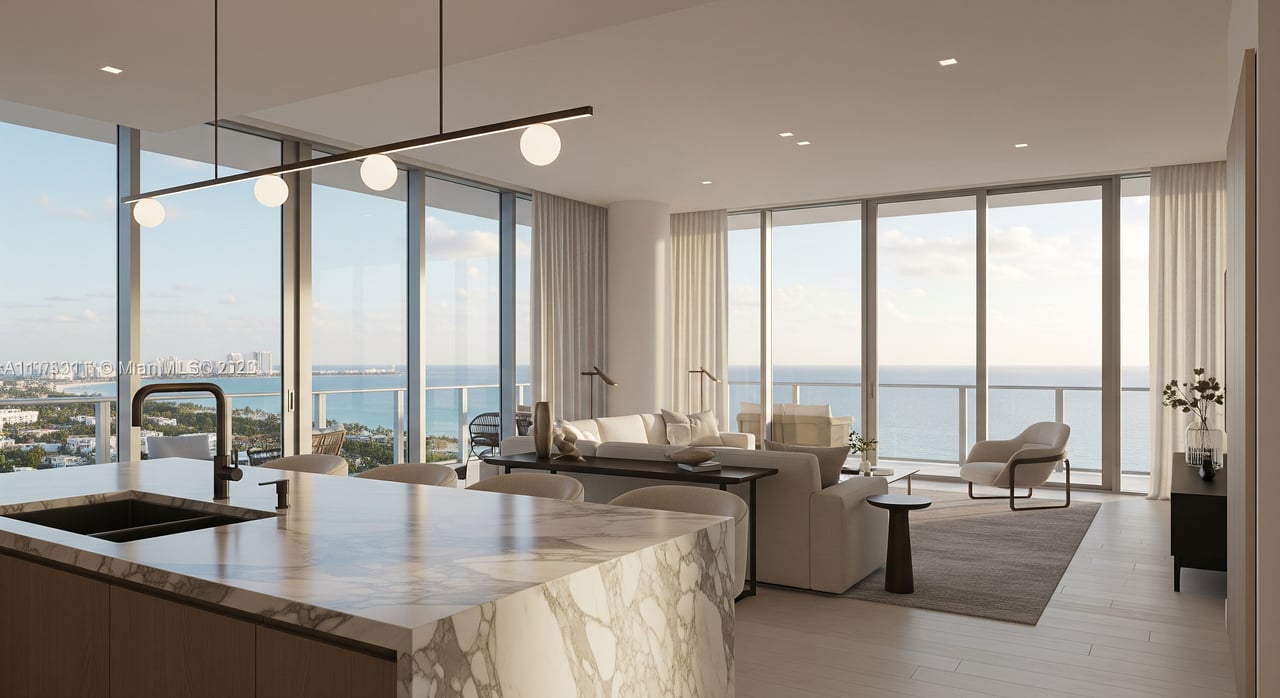
If you are east of the Intracoastal or high enough, you may catch the Atlantic horizon. Sunrises can be memorable, and you are far from boat wakes. Lower floors may have partial obstructions from nearby towers or islands, so confirm sightlines at the exact level.
Intracoastal and marinas
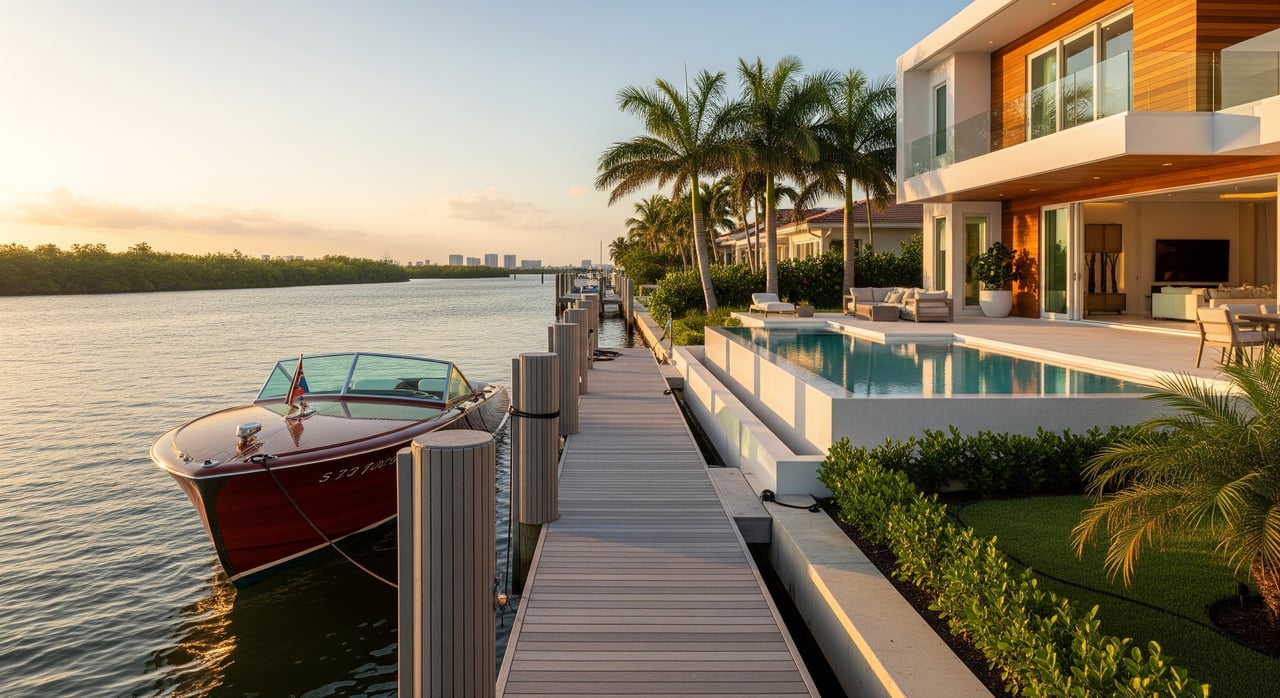
Facing the Intracoastal can feel like a front-row seat. You will see recreational boats, marina life, and bridge activity if you are near a crossing. Traffic and lighting tend to increase in season and on weekends. For a preview, check real-time vessel density maps and ask local marinas about peak periods.
Canals and skyline
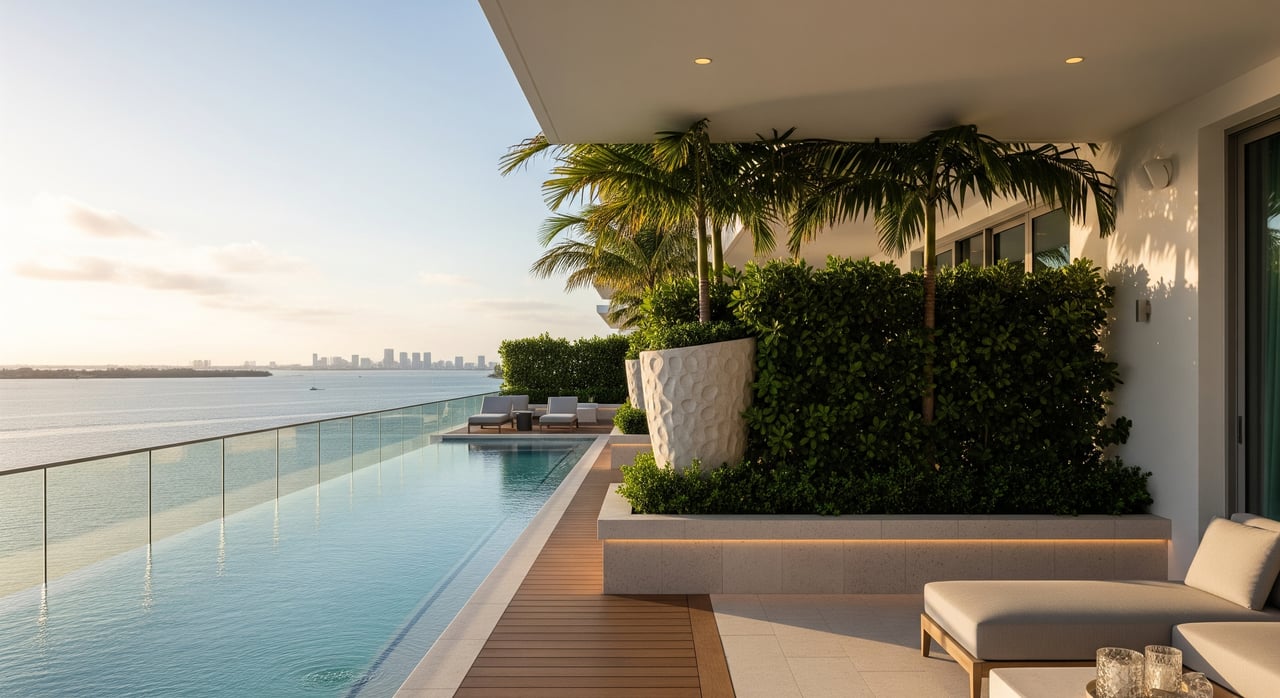
Inner canals and lagoons are more sheltered and can be quieter, though you may see boat maneuvers near slips. City or skyline views, often to the south or west, trade horizon water for night lights and silhouettes at sunset. If you want a balance of activity by day and ambient glow by night, this can work well.
Privacy and sightlines
Privacy in high-rise settings is about distance, angles, and elevation. Floor level, tower spacing, and balcony design all matter.
Higher floors usually reduce direct sightlines into neighboring units and place you above wakes and shoreline noise. That said, very high floors can feel more exposed to wind and sun. Look for recessed or angled balconies and privacy screens, and review HOA guidelines about exterior shades or screens.
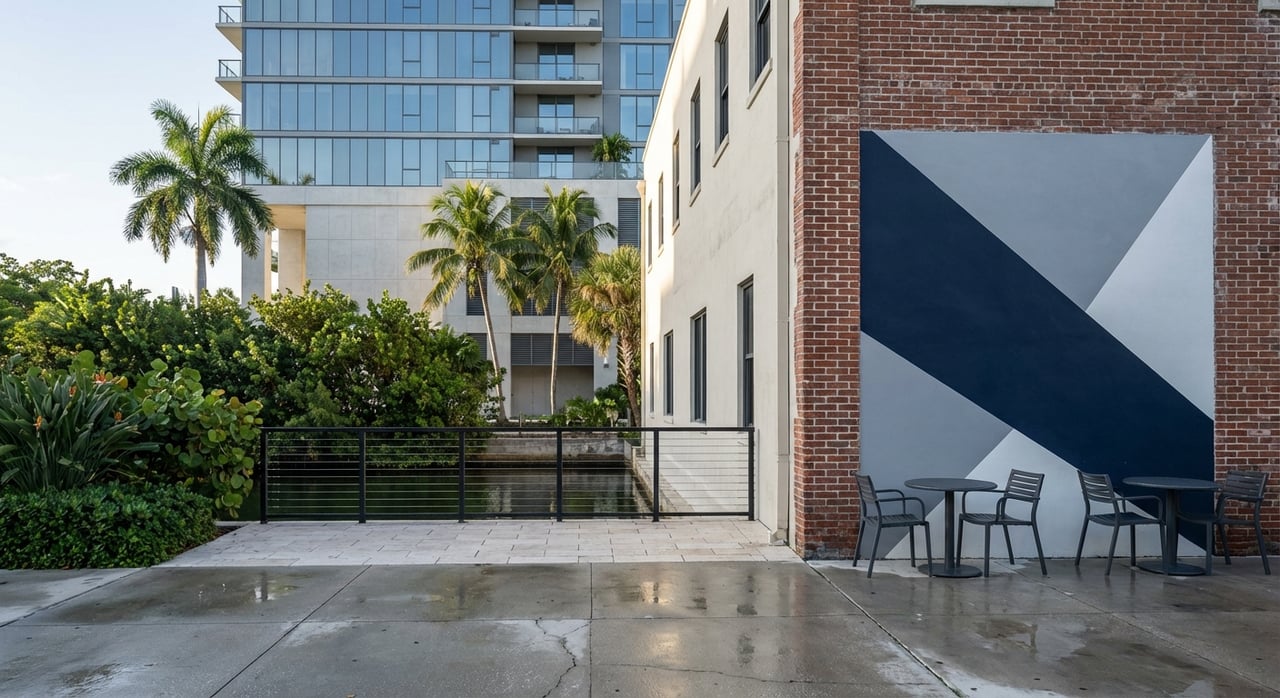
In dense areas, side-by-side towers can create direct views into living rooms and terraces. Walk around the property line, stand on the street, and look back at the building to understand how neighbors might see your balcony. To protect view permanence, check local height limits, zoning, and development activity through the City of Aventura planning resources and the Miami-Dade Property Appraiser search.
Durability and maintenance
Waterfront living brings salt, wind, and moisture. These conditions accelerate corrosion on railings, hardware, and exterior metal, so plan for more frequent cleaning, inspections, and protective coatings. For best practices on materials and finishes near the water, see the AMPP guidance on marine corrosion.
Hurricane protection is standard in Aventura. Many buildings use impact glass or shutters, and windows and doors must comply with local wind zones under the Florida Building Code requirements. Ask for documentation on impact glass, shutters, and any recent glazing replacements.
Solar control is part of comfort and preservation. Low-e or spectrally selective glazing, exterior shading, and interior roller shades reduce heat and glare while preserving views. The U.S. Department of Energy guidance on windows and shading outlines options that perform well in warm climates.
Which exposure fits your lifestyle
Use your daily routine as a filter. The right answer often starts with how you live during the months you are here.
- Morning person: Choose east for sunrise and cooler afternoons.
- Sunset lover: Choose west for evening color and skyline silhouettes.
- All-day brightness: Choose south with shading and low-e glass.
- Cool and calm: Choose north for even light and minimal glare.
Buyer checklist you can use today
Bring this with you on tours and during due diligence.
On-site checks
- Visit at sunrise, mid-day, and sunset, plus a weekend in season from November through April.
- Stand on the balcony and inside main rooms to gauge glare, heat, and privacy in real time.
- Use the SunCalc sun path tool or the NOAA Solar Calculator to confirm the sun’s position for your preferred months and hours.
- Look and listen for boat activity, bridge horns, marina lighting, and wake noise at lower levels.
- Inspect balcony depth, overhangs, and railings. Ask about HOA rules for exterior shades or screens.
Records and research
- Get the floor plan and confirm the exact compass orientation of living spaces and bedrooms.
- Review HOA documents for balcony and window responsibilities, exterior shading limits, and maintenance schedules.
- Request recent inspection reports, window or door replacement records, and hurricane protection certificates.
- Check zoning, heights, and permits through the City of Aventura planning resources and the Miami-Dade Property Appraiser search.
- Preview boat activity patterns using real-time vessel density maps, then validate by visiting at peak times.
Put local expertise to work
Exposure is not one-size-fits-all. The best choice for you balances light, heat, and privacy with the exact view you want and the maintenance you are comfortable with. A senior-led, local team can help you test exposures at the right times, evaluate glazing and hurricane protection, and confirm development risks before you offer.
If you are ready to narrow your search to the exposures and buildings that fit your lifestyle, connect with Ivan Ramirez to Access Exclusive Listings and get a guided, data-forward plan for Aventura.
FAQs
What does east-facing mean for an Aventura condo?
- You get morning sun, sunrise potential over the water, and cooler afternoons with less late-day heat and glare.
How intense is west-facing sun in summer?
- West-facing units see strong afternoon and evening sun that can raise cooling loads and glare, so plan for shading and high-performance glass.
Are Intracoastal views louder than ocean views?
- Intracoastal exposures can include boat noise and lighting, especially on weekends and in season, while distant ocean horizons are typically quieter.
How can I check boat traffic before buying?
- Review real-time vessel density maps and visit at peak times like weekend afternoons in season to validate.
What improves privacy in high-rise condos?
- Higher floors, greater tower separation, recessed or angled balconies, and approved privacy screens can reduce direct sightlines.
What maintenance is typical for waterfront exposures?
- Expect more frequent cleaning and inspection of metal, seals, and railings due to salt and wind, plus compliance with Florida Building Code requirements.
How do I confirm if my view could be blocked?
- Check zoning and permits through the City of Aventura planning resources and the Miami-Dade Property Appraiser search before committing.