Ever picture stepping from your backyard onto a boat for a sunset cruise? If you’re drawn to the water, living on Fort Lauderdale’s canals can deliver a unique mix of convenience, recreation, and everyday beauty. At the same time, canal properties come with specific rules, maintenance needs, and cost considerations that are different from inland homes. In this guide, you’ll learn how the canals work, what to expect in different neighborhoods, and the key questions to ask before you buy. Let’s dive in.
How Fort Lauderdale’s canals work
ICW, New River, and ocean access
Fort Lauderdale’s canal network connects many residential canals to the Intracoastal Waterway and the New River, creating routes to Port Everglades and the Atlantic. Most canal-front homes offer navigable access, though the time to open water depends on the canal’s location. You will find a strong boating culture here, with private docks, marinas, and the Fort Lauderdale International Boat Show highlighting the city’s identity.
Depths, bridges, and clearances vary
Not all canals are created equal. Some support large yachts with deeper water and wider channels, while others are best for smaller boats, jet skis, or dinghies. Bridge clearances and canal depths can limit vessel size, so plan for draft and height when evaluating a property.
Marinas, ramps, and marine services
You’ll have easy access to public and private marinas, fuel docks, boat clubs, repair yards, storage options, and public boat ramps throughout the city and county. Many of these facilities cluster near canal neighborhoods, which makes routine service and weekend outings straightforward.
Canal homes and neighborhoods
Typical property features
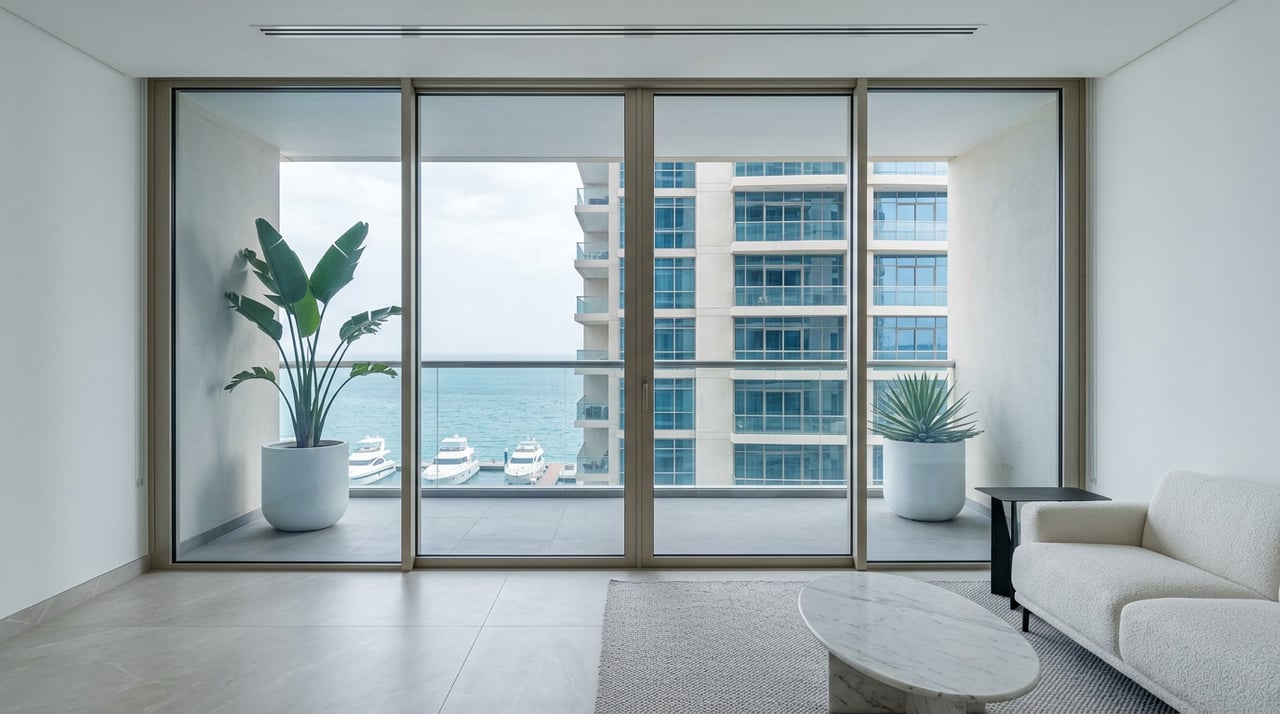
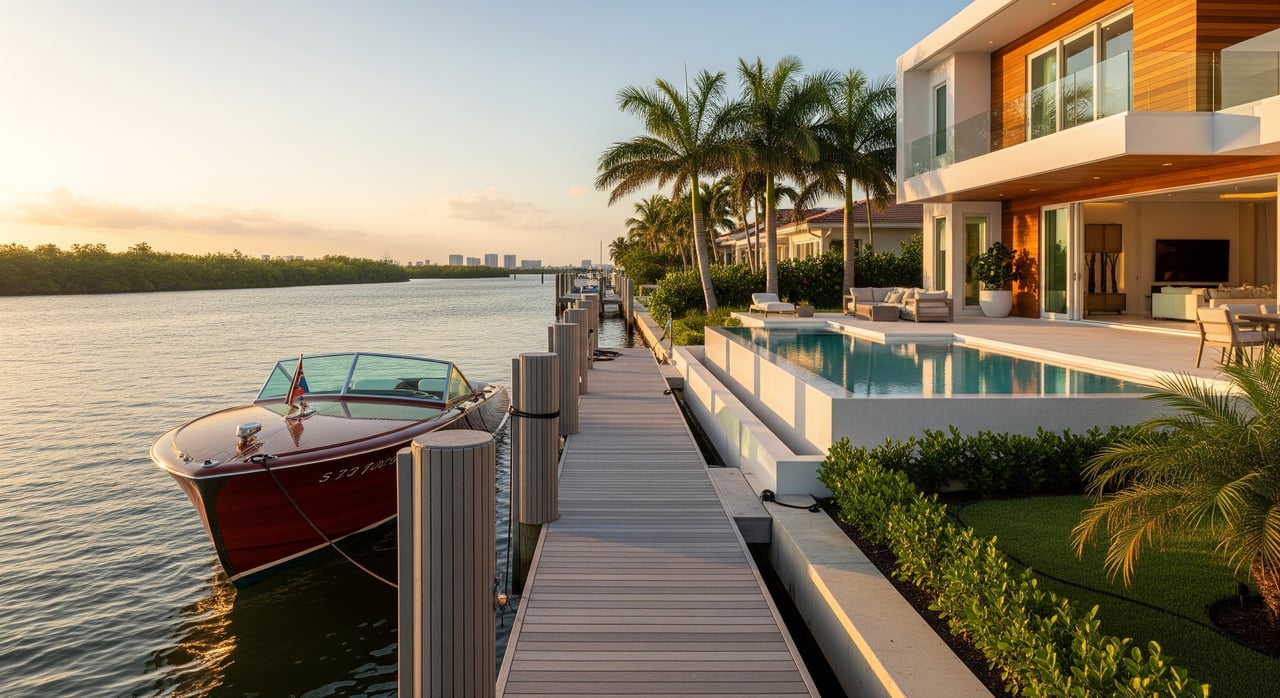
Canal-front homes range from mid-century bungalows to custom luxury estates. You’ll commonly see private seawalls, fixed or floating docks, boat lifts or davits, and open-plan layouts oriented to the water with large windows and outdoor living areas. In some homes, elevated construction or pilings are part of the design. Lot size, dock length, and water depth are key factors for boat capacity.
Neighborhood snapshots
- Las Olas Isles and Las Olas corridor: Canal-front living close to dining and shopping, with many homes featuring private docks and an active social scene.
- Rio Vista, Victoria Park, Tarpon River, Sailboat Bend: A mix of historic and renovated homes near downtown and Las Olas, with walkable streets and canal access that varies by block.
- Lauderdale Isles, Coral Ridge, Harbor Beach, Middle River: Primarily single-family canal homes. Some areas support larger yachts where canals are deeper and wider.
- Seven Isles and Harbor Beach: Higher-end estates on select lots with direct access to the ocean. Many streets offer a quieter residential feel.
Boundaries and canal characteristics differ within each area. Always verify dock length, water depth, and bridge clearances at the property level.
Docks, seawalls, and permits
Permits and inspections
Most waterfront improvements require permits. This includes docks, lifts, davits, and seawalls. Repairs and replacements can trigger different rules, which may require you to meet current building codes. A professional seawall inspection is a must during due diligence.
Riparian rights and easements
Waterfront rights can be shaped by local ordinances, bulkhead ownership, and recorded easements. Confirm who owns and maintains the seawall and dock, and whether any shared or community agreements are in place.
What affects boat size at home
Your boat options depend on three variables: canal depth, dock length, and bridge clearance. Ask for recorded measurements, review any restrictions, and confirm lift capacity and age if equipment is included.
Flooding, insurance, and resilience
Flood zones and required coverage
Many canal homes lie within FEMA-designated flood zones. Lenders often require flood insurance, and premiums vary by elevation, flood zone, mitigation features, and claims history. Obtain an elevation certificate and insurance quotes early in the process.
Sea level rise and local planning
Fort Lauderdale and Broward County have adopted resilience strategies for sea level rise and tidal flooding. These planning efforts can guide your long-term view and help you understand priority infrastructure and adaptation work in your area.
Mitigation questions to ask
- What is the base flood elevation and the home’s current elevation?
- Are flood vents, elevated systems, backflow valves, or other mitigation features in place?
- Has the property had prior flood claims, and are improvements documented?
Day-to-day life on the canals
Recreation and dock-to-dine
Many residents enjoy morning paddleboarding or kayaking, fishing from the dock, and evening cruises on the ICW. Weekends often mean boating to local restaurants that welcome transient dockage, and gathering friends for dockside entertaining.
Noise, privacy, and seasonality
Canal life includes boat engines, occasional wakes, and increased traffic on weekends and during high season. Privacy can feel different on narrower canals where homes sit closer together. Visit a property at different times and days to gauge noise and activity.
Commuting and walkability
Canal neighborhoods near Las Olas and downtown often offer walkable access to restaurants, shops, and cultural venues. In more residential areas, you might drive a short distance for daily needs. Many residents commute by car and use boats for recreation rather than daily transport.
Boating regulations and safety
State and local rules
Florida boating laws apply, including registration, safety equipment, and restrictions on operating under the influence. Local ordinances add no-wake zones, speed limits, and rules for restricted areas. Review current notices before you head out.
Manatee and seagrass protections
Certain waterways include manatee protection zones and seagrass areas. Seasonal and location-specific rules may affect speed and anchoring. Post clear signage on your dock and brief guests so everyone operates safely.
Buyer due diligence checklist
- Confirm canal depth, dock length, bridge clearance, and any recorded restrictions for your intended boat size.
- Order a professional seawall inspection and ask for maintenance records, permits, and recent repair documentation.
- Verify ownership and responsibility for the seawall and dock. Check for easements or community agreements.
- Obtain an elevation certificate and request home, wind, and flood insurance quotes early.
- Review local ordinances, HOA rules, and covenants that could limit boat size, lifts, or dock structures.
- Inspect all mechanical equipment, including boat lifts and davits, for age, service history, and capacity.
- Check for environmental considerations, including manatee zones, seagrass protections, and any recurring water quality advisories.
- Visit during peak boating times to understand wake, noise, and traffic patterns.
Costs and maintenance planning
Expect recurring costs tied to waterfront living. Common items include:
- Dock and boat-lift maintenance and occasional replacements
- Seawall inspections and repairs, which can be significant if replacement is needed
- Landscaping and erosion control on the waterline
- Pest control and marine-related upkeep
- Potentially higher insurance premiums for home, wind, and flood coverage
- HOA or community fees, if applicable, which may or may not cover canal or seawall maintenance
Build a calendar for inspections and routine service so small issues do not become larger repairs.
How to choose the right canal home
- Define your boating plan. Match boat size to canal depth, dock length, and bridge clearance.
- Shortlist neighborhoods. Focus on travel time to the ICW or ocean, lifestyle preferences, and proximity to dining and services.
- Run the numbers early. Get insurance quotes, elevation data, and seawall assessments during the offer stage.
- Verify permits and records. Confirm that docks, lifts, and seawalls were permitted and inspected.
- Visit at varied times. Check noise, wake, lighting, and parking during weekdays and weekends.
- Assemble the right team. Work with a local realtor, marine surveyor, and permitting offices to verify details.
Ready to tour canal homes?
If you want the waterfront lifestyle with clear guidance on access, permits, and resilience, you deserve a seasoned partner who lives and breathes South Florida real estate. The RS Team pairs boutique, senior-led service with the reach of ONE Sotheby’s to help you navigate canal nuances with confidence. Access Exclusive Listings and get a tailored shortlist of properties that match your boat, your routine, and your long-term goals by connecting with Ivan Ramirez.
FAQs
What does “ocean access” mean in Fort Lauderdale?
- It typically indicates navigable routes from a property’s canal to the Intracoastal Waterway and the Atlantic, but travel time and bridge clearances vary by location.
Do all canals allow large yachts?
- No, some canals are shallow or narrow, and bridge heights can limit vessel size; always verify depth, dock length, and clearance for your specific boat.
Is flood insurance required for canal-front homes?
- Many canal properties sit in FEMA flood zones where lenders require flood coverage; premiums depend on elevation, zone, mitigation features, and claims history.
Who maintains the seawall and dock at a home?
- Responsibilities vary; confirm ownership, maintenance obligations, and any easements or HOA agreements during due diligence.
What should I check on a home’s dock and lift?
- Inspect structural condition, permits, lift capacity, service records, and the age of mechanical components; consider a marine survey if a boat or lift is included.
How busy are the canals during peak season?
- Activity typically increases on weekends and in winter high season; visit at several times to assess wake, noise, and traffic before you buy.