Comparing Edgewater condos but not sure which amenities truly matter? You’re not alone. With so many towers leaning into resort-style features, it can be hard to tell what enhances your lifestyle and resale value versus what just raises your HOA dues. This guide breaks down the amenities Edgewater buyers ask about most, how they affect costs, and what to verify before you go under contract. Let’s dive in.
Why Edgewater amenities matter
Edgewater sits along Biscayne Bay just north of downtown Miami, where new and recent towers compete on bay views and lifestyle. Local reports show steady development and a mix of primary residents, second-home owners, and investors, which fuels diverse amenity demand. You’ll see everything from spa-level wellness decks to co-working lounges and marina access.
- For local context, review neighborhood trends in the Miami Association of REALTORS market reports, and property-level details through the Miami-Dade Property Appraiser.
- Remember coastal realities. Flood risk, hurricanes, and insurance pressures shape HOA budgets. For background, check the Florida Office of Insurance Regulation and NOAA coastal flood and storm risk resources.
The key is matching amenities to your lifestyle and understanding their impact on monthly dues, reserves, and resale.
Top Edgewater condo amenities buyers ask about
Wellness: gyms, pools, and spas
Wellness spaces are central in Edgewater towers. Buyers look for modern fitness rooms with separate cardio and strength zones, class-ready studios, pools with bay views, and spa features like steam and sauna. Booking apps and strong Wi‑Fi are a plus.
- What to look for:
- Quality equipment and dedicated studios for yoga or Pilates.
- Indoor/outdoor pool options and strong ventilation in spa areas.
- Clear schedules for classes, trainers, and guests.
- Cost and resale impact:
- Expect higher maintenance, utilities, and staffing, which can raise HOA dues. Amenities with strong day-to-day use often support perceived value.
- For a broad buyer pool, a well-kept fitness and pool setup is often a resale positive. If fees are high without clear value, price-sensitive buyers may look elsewhere.
- Due diligence:
- Review line-item amenity costs and the reserve study for equipment and pool system replacements. See governance guidance from the Community Associations Institute.
Pickleball courts
Pickleball has surged in popularity in Miami. In condos, that means demand for well-lit, properly lined courts and fair reservation systems.
- What to look for:
- Standard dimensions, safe fencing, good lighting, and seating.
- Transparent reservation rules and noise controls.
- Cost and resale impact:
- Courts need resurfacing and management oversight. Noise conflicts can arise if policies are weak.
- For active buyers and families, pickleball can be a differentiator. Others may value it less, so it is a niche premium. See growth context from USA Pickleball.
- Due diligence:
- Ask about court scheduling, neighbor policies, and any incident or complaint history noted in recent HOA minutes.
Boat access and marina slips
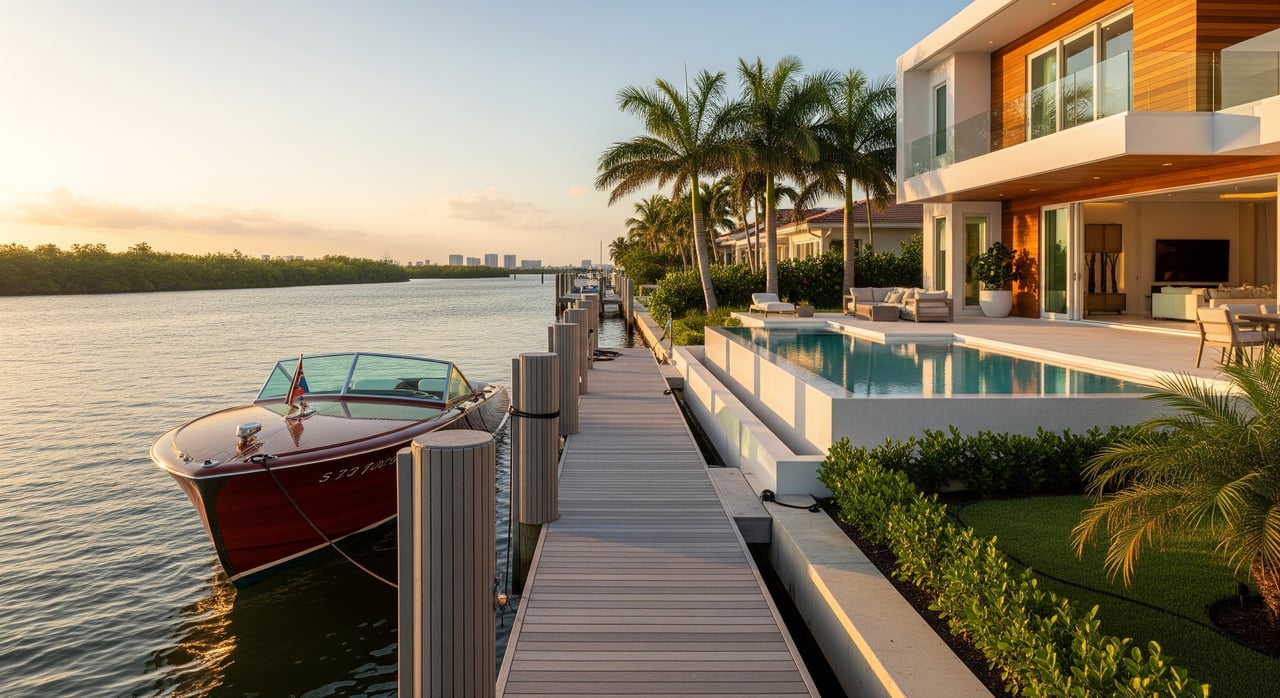
On a waterfront corridor like Edgewater, marina access can be transformative. The highest value often comes from transferable or deeded slips sized for common local vessel types, with clear rules and service access.
- What to look for:
- Slip size, transferability at sale, waitlist status, and any dedicated services like fueling or pump-out.
- Protections from weather and bay conditions, plus storm plans.
- Cost and resale impact:
- Marinas carry specialized permits, inspections, and insurance, and may require dredging. Costs can raise dues or trigger assessments. Transferable slips can command a premium for boat owners, while non-transferable or waitlisted slips limit resale value for that buyer subset.
- Due diligence:
- Review marina permits, ownership rules, waitlists, and maintenance schedules. Verify insurance provisions and storm procedures in the master policy. For broader Florida insurance context, see the Florida Office of Insurance Regulation.
Co-working and private workrooms
Hybrid work keeps demand high for quiet, reservable areas that feel professional without leaving the building.
- What to look for:
- Private rooms or booths, strong acoustics, reliable high-speed internet, and a fair reservation system.
- Security and access controls, especially after hours.
- Cost and resale impact:
- Requires fiber or commercial-grade internet, ongoing tech support, and furniture upkeep. Primary residents who work from home often value this highly.
- Due diligence:
- Confirm internet capacity, vendor contracts, and usage rules. Review HOA minutes for conflicts and utilization feedback. For amenity trend context, explore NMHC research on preferences.
EV charging and infrastructure
EV readiness is moving from perk to expectation, especially in newer luxury towers. Buildings that plan for future capacity tend to age better as adoption grows.
- What to look for:
- Dedicated Level 2 resident charging, guest options, and clear metering or user billing.
- Power management systems and plans to add more chargers.
- Cost and resale impact:
- Retrofitting older buildings can be costly and may require electrical upgrades. Many associations shift electricity costs directly to users. Lack of EV readiness can become a competitive disadvantage.
- Due diligence:
- Request the electrical capacity study, EV policies, and vendor agreements. The U.S. DOE Alternative Fuels Data Center explains best practices for multi-unit dwellings.
Pet-friendly features
With high pet ownership nationwide, on-site dog runs and grooming stations are widely appreciated when paired with clear policies.
- What to look for:
- A well-drained dog run, pet wash, and clear waste rules.
- Reasonable size and breed policies with consistent enforcement.
- Cost and resale impact:
- Maintenance and cleaning add costs, but pet-friendly setups often widen the buyer pool and can reduce time on market.
- Due diligence:
- Review pet rules, fine schedules, and any incident logs noted in HOA minutes. Check insurance coverage for pet-related incidents.
How amenities shape HOA fees and resale
Amenities influence both upfront and ongoing costs. In Edgewater’s coastal setting, that financial picture is especially important.
- Where costs show up:
- Capital expenses: construction, specialized HVAC, docks, electrical upgrades, furniture.
- Operating expenses: staff, utilities, chemicals and cleaning, software, insurance.
- Allocation: costs flow through HOA dues, user fees, or special assessments. The method matters for your monthly budget.
- Reserves and assessments:
- Amenities have finite lifespans. Reserve studies should plan for replacements like pool filtration, court resurfacing, and fitness equipment cycles. Underfunded reserves are a common trigger for assessments. See reserve planning guidance from the Community Associations Institute.
- Insurance and liability:
- Pools, marinas, sports courts, and co-working spaces increase exposure. Florida’s coastal insurance environment can push premiums and deductibles higher, which affects budgets. For weather risk background, review NOAA storm resources.
- Resale signals:
- Well-used, well-maintained amenities aligned with local preferences tend to support pricing power. High dues without clear value or restrictive rules can deter buyers. Broader research on amenity premiums is discussed by industry groups like NMHC.
Bottom line: amenities can lift lifestyle and resale, but they should be supported by transparent budgeting, strong reserves, and sensible rules.
Buyer due diligence checklist for Edgewater condos
Protect your investment by asking for documents and clarity before you make an offer. Start with the essentials:
Documents to request
- HOA governing docs: CC&Rs, bylaws, rules and amendments.
- Financials: current budget, income/expense statements, audits/reviews, delinquency rates, and line-item amenity costs.
- Reserve study: latest study and funding plan for amenity replacements.
- Meeting minutes: 12–24 months to surface disputes, planned projects, and potential assessments.
- Insurance: master policy declarations, deductibles, wind/hurricane terms, and amenity coverage details.
- Contracts: management, fitness vendors, security, marina management, landscaping, EV/charging providers.
- Marina: permits, slip ownership rules and transferability, dredging and maintenance schedules, waitlists, and environmental constraints.
- Parking/EV: electrical capacity, metering and billing approach, expansion plans.
- Pet and sports facilities: rules, reservation policies, and incident reports.
Questions to ask
- How are amenity costs allocated between HOA dues and user fees?
- Are any special assessments planned for amenity upgrades or replacements?
- What is the reserve fund balance relative to recommendations in the study?
- For marinas: Are slips transferable at sale, and is dredging scheduled? Is there a waitlist?
- For EV: Who pays for electricity, and is there a power management system?
- For courts: How are reservations and noise policies enforced?
- What rental rules could impact investor demand and resale?
Advisors to consider
- An HOA attorney versed in the Florida Condominium Act (Chapter 718).
- A marina consultant for slip condition, permitting, and dredging needs.
- An electrical engineer or EV consultant to confirm retrofit feasibility and costs.
- An insurance broker experienced in Florida high-rise master policies.
Smart tradeoffs by buyer profile
Edgewater attracts varied buyers, so the right amenities depend on your goals.
- Primary residents:
- Value co-working, robust fitness, and EV readiness for daily convenience.
- Will often accept moderate fees if usage is high and rules are clear.
- Second-home and lifestyle buyers:
- Gravitate to spa decks, pools, and boating access. Transferable slips can be a major plus.
- May prioritize view, bayfront exposure, and resort feel over exhaustive amenity lists.
- Investors:
- Often prefer lower dues, durable finishes, and rental-friendly policies.
- Amenities that require heavy staffing may reduce net returns if dues are high.
Keep perspective: in Edgewater, location and view often outweigh ultra-luxury amenities. A balanced building with great bay exposure and well-managed essentials can outperform a flashier tower with rising dues and underfunded reserves.
Final take: align lifestyle, fees, and resale
If you love the lifestyle, the right amenities can be worth the cost. Just make sure the HOA’s numbers, reserve plan, and policies back up the promise. Verify how each amenity is funded and maintained, and confirm whether special features like marina slips are transferable. When you compare Edgewater towers side by side with a clear budget and usage plan, you put yourself in a stronger position for both enjoyment and resale.
If you want a seasoned perspective as you evaluate Edgewater’s amenity tradeoffs and HOA documents, connect with Ivan Ramirez for local, senior-level guidance.
FAQs
How do condo amenities in Edgewater affect HOA fees?
- Amenities increase both capital and operating costs, which are usually covered by HOA dues, user fees, or special assessments; reviewing budgets, reserve studies, and insurance details is essential per CAI guidance.
Are marina slips in Edgewater usually transferable at resale?
- It depends on the building; some slips are deeded or transferable, while others are HOA-assigned with waitlists, so you should verify rules, permits, and maintenance plans before you buy.
What should I ask about EV charging in an older Edgewater tower?
- Ask about electrical capacity, metering and billing, ownership of chargers, and plans for expansion, then reference best practices for multi-unit dwellings from the DOE Alternative Fuels Data Center.
Is pickleball a resale advantage in Miami condos?
- It can be for active buyers, but value is niche and dependent on good policies and noise controls; see broader participation trends via USA Pickleball.
How does Florida’s insurance environment impact amenity costs?
- Coastal exposure and high-risk amenities like pools and marinas can raise premiums and deductibles, which affects HOA budgets; review context from the Florida Office of Insurance Regulation and NOAA.
What Edgewater documents best reveal amenity risks before closing?
- Review recent HOA minutes, the reserve study, insurance declarations, and vendor contracts; these reveal upcoming capital work, policy changes, and cost allocations that impact your ownership.